Salon-de-Provence
Saint-Laurent Collegiate Church in Salon-de-Provence: Guide
Published on 15 November 2026 · 3 min read
Discover the Saint-Laurent Collegiate Church in Salon-de-Provence, a Gothic gem housing Nostradamus's tomb. Practical guide, history, and tips.
Standing proudly in the heart of the historic center, the Saint-Laurent Collegiate Church is one of the most prominent architectural treasures of Salon-de-Provence. Built between the fourteenth and fifteenth centuries, this impressive Gothic church bears witness to the medieval fervor and prosperity of the Provençal town. Its sober exterior contrasts with the elegance of its vaulted interior and the richness of its sacred heritage. Beyond its architectural merits, the monument attracts travelers from around the globe as it houses the final resting place of the town's most legendary resident: Michel de Nostredame, universally known as Nostradamus. Visiting this sanctuary provides a captivating journey into Salon's storied past.
A masterpiece of Southern French Gothic architecture
Construction began in the early 14th century under the authority of the Archbishops of Arles, lords of Salon, to replace an earlier parish church that had become far too small for the growing population. The building perfectly embodies the characteristics of Southern French Gothic style. Unlike northern French cathedrals with intricate flying buttresses and multiple aisles, Saint-Laurent features a grand single nave, wide and airy, flanked by private chapels nestled between exterior buttresses. This design emphasizes clean stone lines, the durability of local limestone, and superb acoustics well suited for sacred concerts.
Nostradamus’s tomb and town memory
One of the emotional highlights inside the church is the Saint-Roch chapel, where Nostradamus is buried. Having passed away in Salon-de-Provence in 1566, the humanist, physician, and astrologer was originally interred in the Franciscan Cordeliers convent. Following the upheaval of the French Revolution and the partial destruction of that monastery, his remains were solemnly moved to Saint-Laurent. A marble slab engraved with a Latin epitaph honors this Renaissance scholar who chose Salon to write his famous Prophecies and spend the final two decades of his life.
Notable details to observe during your visit
Taking time to wander through the collegiate church reveals numerous pieces of religious art preserved over the centuries. Morning light filtering through the stained glass casts warm hues upon the golden stone walls.
- The octagonal bell tower, a fortified landmark rising above the choir that defines the town's skyline.
- The carved marble Virgin of Pity, a poignant 16th-century masterpiece of the Provençal school.
- The historic pipe organ and its carved wooden gallery, frequently featured during musical recitals.
- Baroque altarpieces and religious paintings adorning the various brotherhood chapels.
Practical tips for your visit
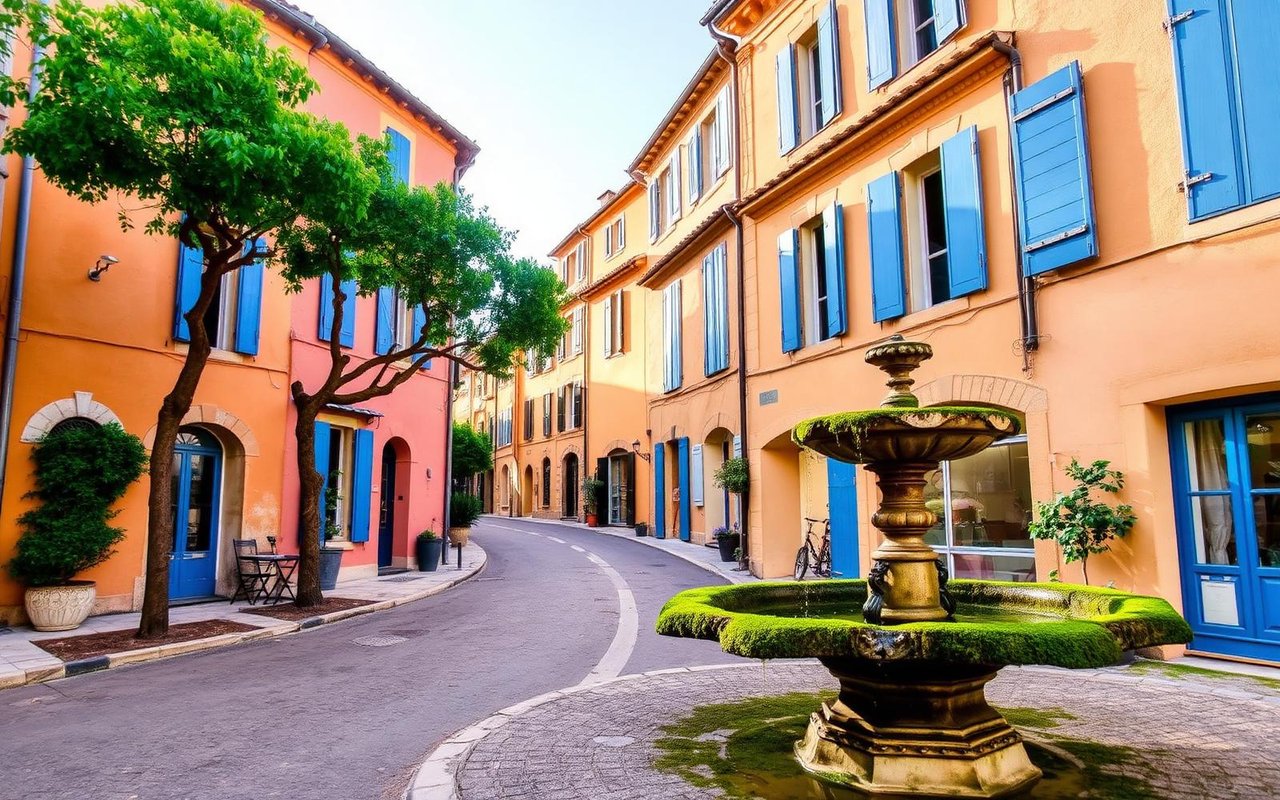
Saint-Laurent Collegiate Church stands on Place Saint-Laurent, at the northern entrance of the pedestrian zone. Admission is free outside of liturgical services. To fully enjoy the peaceful atmosphere, plan your visit for the morning hours before the shopping streets bustle with activity. The tree-shaded square outside features pleasant café terraces where you can admire the carved portal while enjoying a refreshing drink or a morning espresso.
Extend your stay in the heart of Salon-de-Provence
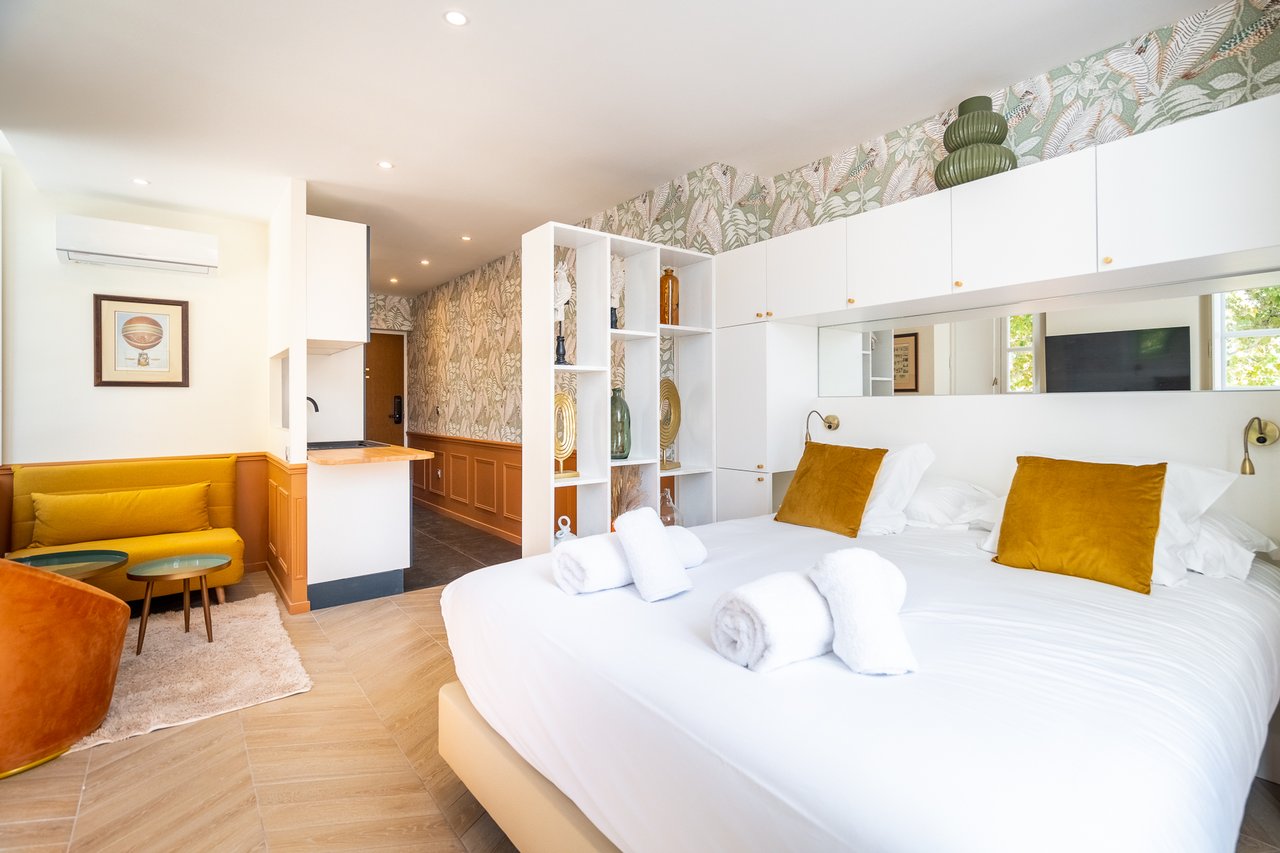
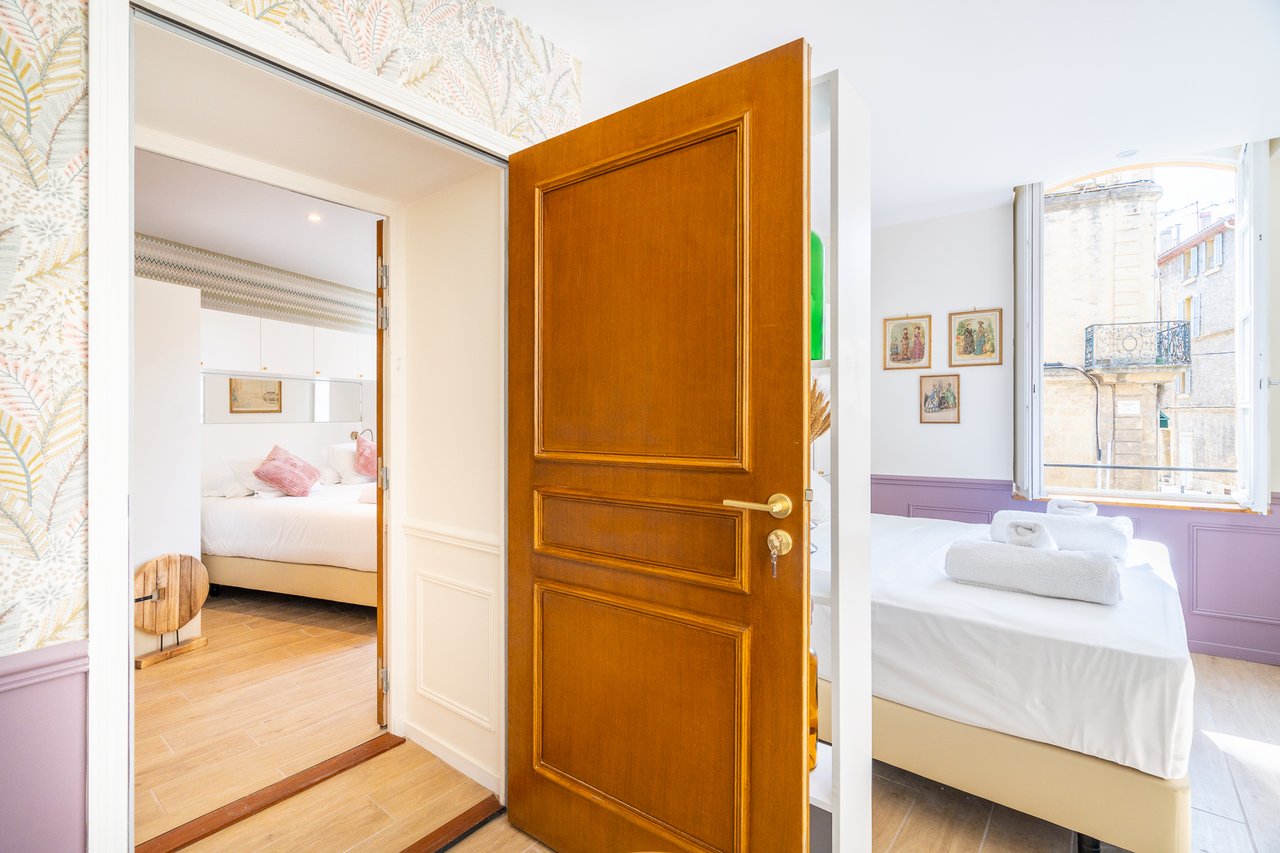
After exploring the collegiate church and strolling up the winding medieval lanes toward the Château de l'Empéri, return to the refined comfort of La Réserve, located just a short walk away at 33 Place de l'Hôtel de Ville. Our spacious accommodations, including Deluxe Rooms and Deluxe Family Rooms, provide the perfect haven to experience authentic Provençal living after a day of historical discovery.