Heritage
Saint-Laurent Collegiate Church in Salon-de-Provence
Published on 20 September 2026 · 3 min read
Discover the Saint-Laurent collegiate church in Salon-de-Provence: Gothic gem, tomb of Nostradamus, and practical tips for an authentic historical walk.
Built in the 14th century beyond the original medieval ramparts, the Saint-Laurent collegiate church in Salon-de-Provence stands as one of the finest examples of southern Gothic architecture in Provence. A majestic spiritual and historical landmark, it has watched over the city for over six centuries. Whether you are passionate about medieval history, curious about the legacy of Nostradamus, or simply looking for cool serenity, visiting this monument is an essential part of your Provencal stay.
Sober and imposing southern Gothic architecture
Unlike the richly decorated cathedrals of northern France, Saint-Laurent exemplifies the austere power of Provencal Gothic design. Commissioned under Archbishop Jean de Cardonne of Arles, construction began in 1344 and concluded in the early 15th century. From the outside, the massive stone masonry, sturdy buttresses, and octagonal bell tower create an unforgettable silhouette above the terracotta rooftops.
Stepping through the main portal reveals a striking sense of scale. The wide, single nave rises toward elegant rib vaults that emphasize quiet harmony. Side chapels set between the exterior buttresses hold baroque altarpieces, polychrome stone sculptures, and sacred paintings donated by prominent local families across generations.
The final resting place of Nostradamus and sacred treasures
The collegiate church is closely linked to Michel de Nostredame, known worldwide as Nostradamus. The renowned physician, astrologer, and Renaissance scholar lived in Salon-de-Provence for the last two decades of his life, writing his famous Prophecies here. Following the destruction of the Franciscan convent during the French Revolution, his remains and marble epitaph were moved to Saint-Laurent, where his tomb continues to draw visitors from across the globe.
Beyond this historic tomb, the church houses several remarkable artistic works. Among them is a delicate 16th-century alabaster Pieta, along with finely carved woodwork throughout the choir. The historic pipe organ, featured during concerts and regular services, adds to the solemn beauty of the interior.
Practical tips for your visit
To make the most of your discovery, keep these simple and practical recommendations in mind during your walk through town.
- Visit during the morning to enjoy soft natural light through the eastern stained glass windows.
- Check service times to respect ongoing worship and liturgical celebrations.
- Enjoy a calm pause under the plane trees on the adjoining Saint-Laurent square.
- Wear respectful attire suitable for an active religious and historic monument.
- Walk a short distance down the street to visit the Nostradamus Museum next.
Exploring the historic streets around Saint-Laurent
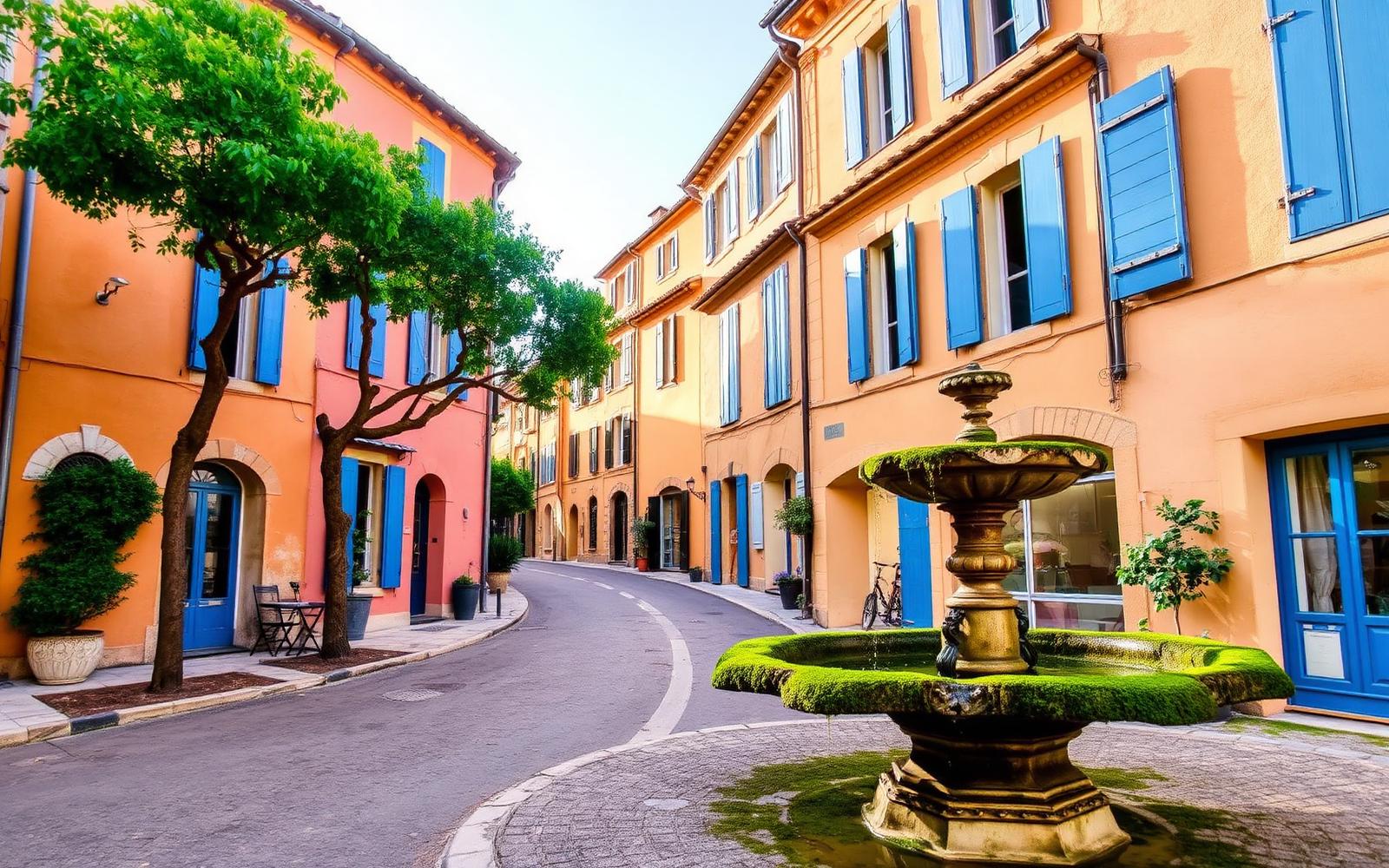
The square outside the collegiate church opens directly onto a network of winding, pedestrian lanes that showcase the authentic charm of the historic center. Strolling southward, you will encounter 17th-century townhouses, secluded courtyards, and trickling stone fountains. The neighborhood also offers pleasant cafe terraces where you can sit and absorb the local rhythm.
This leisurely walking route effortlessly connects the church to the Empéri Castle, the mossy fountain on Place Crousillat, and the medieval city gates within ten minutes. It is the ideal way to explore Salon-de-Provence at your own pace.
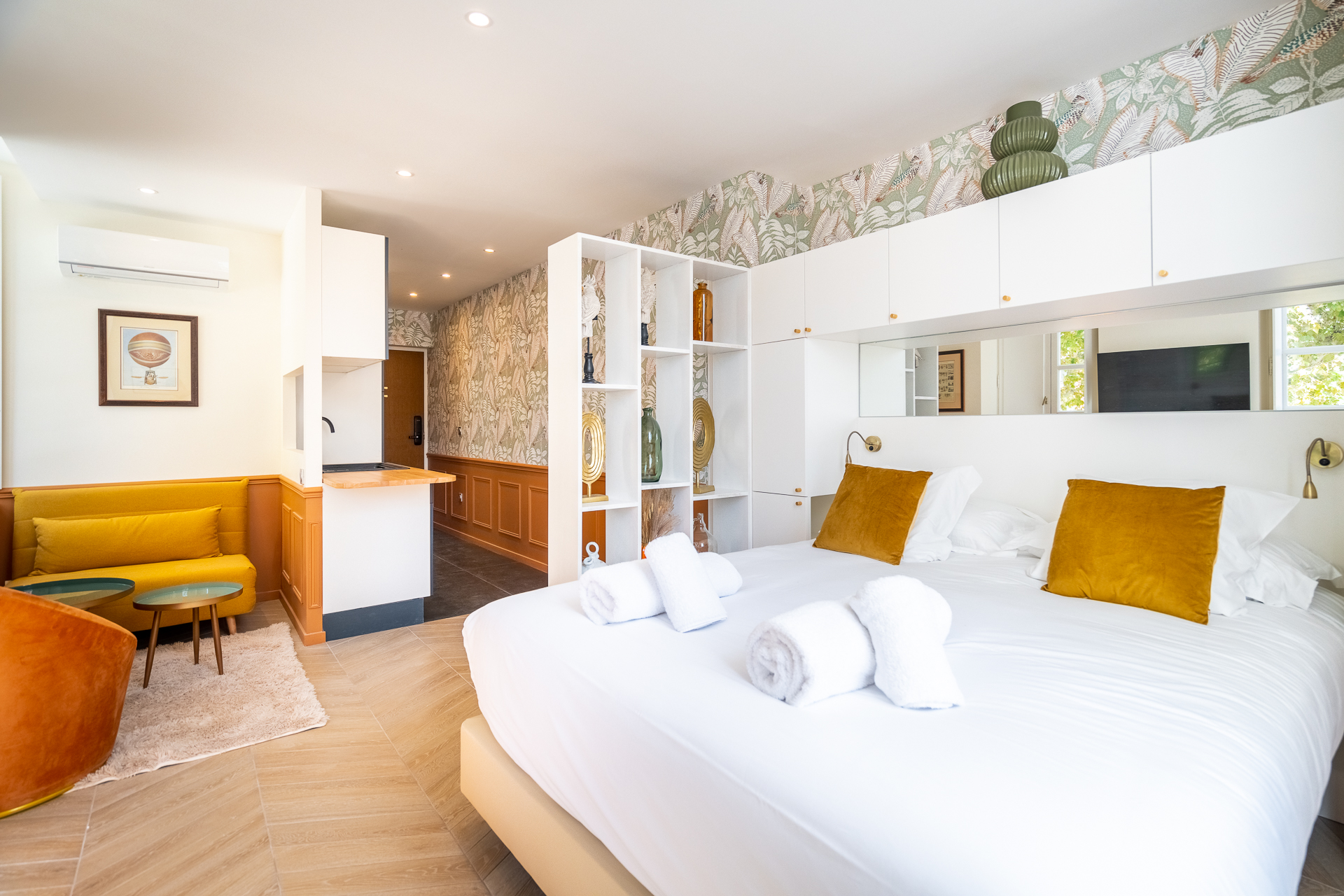
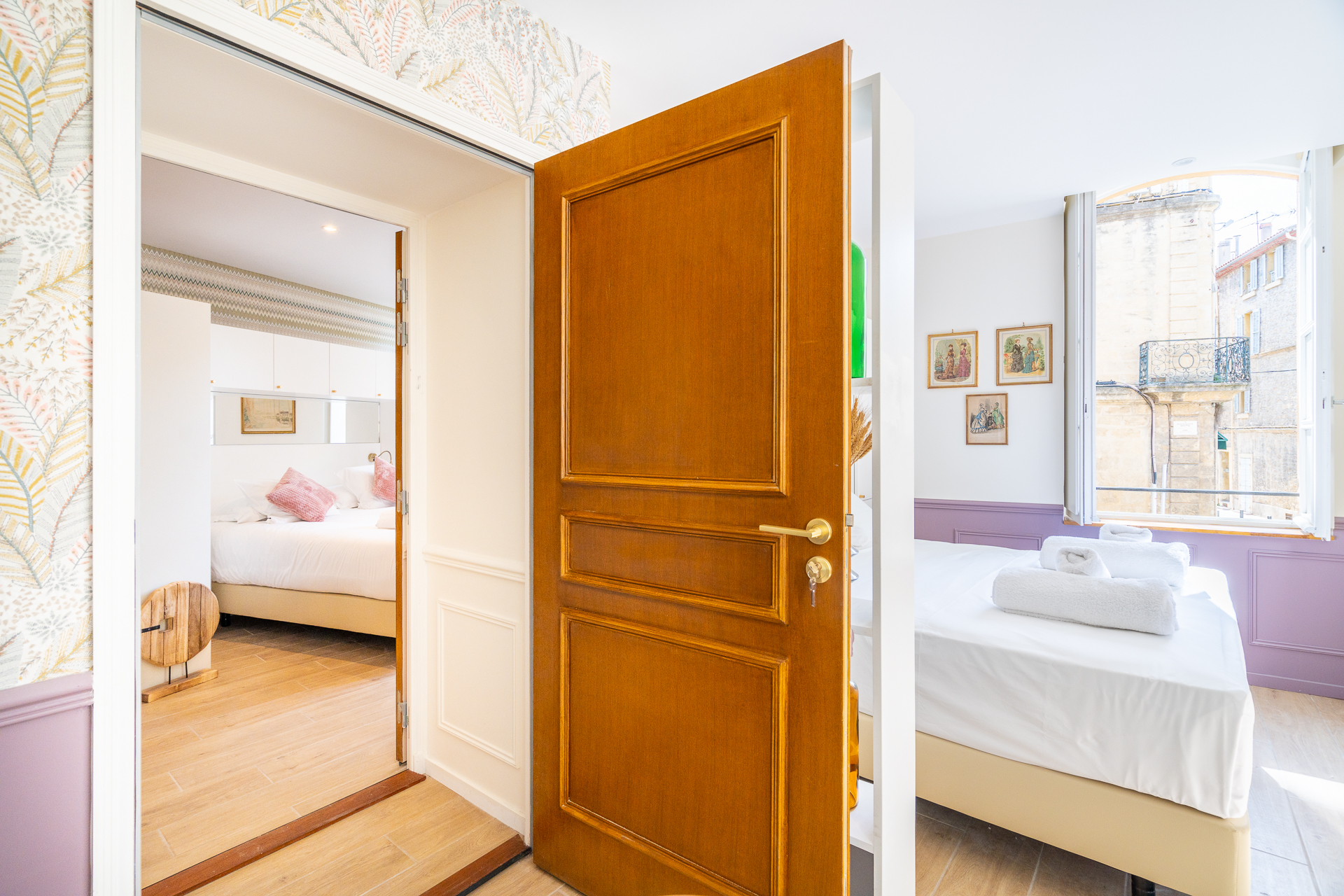
After exploring local heritage, return to the comfortable setting of La Réserve. Located on Place de l'Hôtel de Ville, our six independent apartments provide the perfect blend of modern comfort and peaceful independence in the heart of Salon-de-Provence.